


2021-07-22
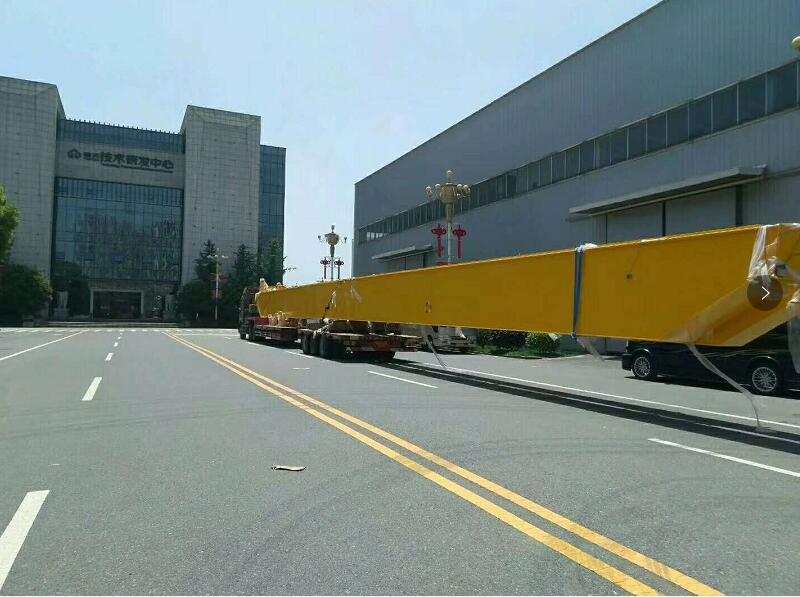
The installation team for lifting machinery can choose a manufacturer with installation qualifications to form a one-stop service model covering manufacturing, installation, and commissioning. In addition, the chosen installation unit must be a professional team with a "Special Equipment Installation (Repair) Safety Approval Certificate" issued by the provincial quality and technical supervision department, and have the qualifications to install equipment of the corresponding lifting capacity. After the installation unit is determined, before installation, assist the installation unit in handling the special equipment commencement report, and check whether the construction organization plan, installation equipment, installation procedures, technical requirements, hidden project acceptance records during the installation process, and self-inspection reports of the installation team meet the requirements. After the installation is completed, supervise the installation unit to conduct a comprehensive self-inspection and operational test, load test, and after confirming that the self-inspection is qualified, apply to the special equipment inspection institution for installation acceptance. Only after passing the acceptance and obtaining the "Safe Use License" can it be put into use. After the acceptance is qualified, the user unit should archive relevant technical materials such as the lifting machine random technical data, installation data, and inspection report. Subsequently, materials such as periodic inspection, overhaul, modification, and accident records that occur during use should also be included in the lifting machinery safety technical file.
View Details
2021-07-22
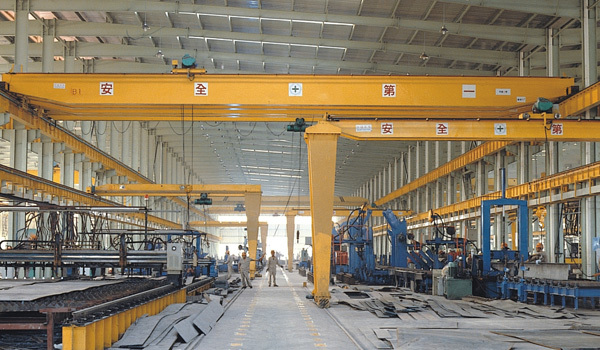
Overhead cranes, typically referring to single-beam bridge cranes (Single-beam Crane in English), commonly use I-beams or a combination of steel sections and plates for the main beam of the bridge frame. The lifting trolley is often assembled using a hand chain hoist, electric hoist, or a hoist as a lifting mechanism component.
Application Range
Overhead cranes are widely used in workshops and warehouses of various industries, including mechanical manufacturing, metallurgy, petroleum, petrochemicals, ports, railways, civil aviation, power stations, papermaking, building materials, and electronics. They are characterized by their compact size, low building headroom, light weight, and low wheel pressure.
Model Classification
Main models of electric single-beam cranes include LDA type electric single-beam cranes, LD type electric single-beam cranes, HD type electric single-beam cranes, LX type electric single-beam suspension cranes, SDXQ type manual single-beam suspension cranes, and single-beam grab cranes.
Operating Procedures
a. For single-beam bridge cranes with a driver's cab, before the driver starts the crane, they should inspect the hook, wire rope, and safety devices according to the requirements of the inspection card. Any abnormalities should be rectified.
b. For ground-controlled single-beam bridge cranes, a designated person should be responsible for inspecting the crane according to the requirements of the inspection card every shift. Any abnormalities should be rectified.
c. The operator must ensure that the walkway or track is clear of personnel before closing the main power supply. If the circuit breaker is locked or has a warning sign, the lock or sign must be removed by the relevant personnel before closing the main power supply.
View Details
Contact Information
Mr. Tang +86-13168489951
No. 8, Fuguang Huanwei Street, Qingxi Town, Dongguan City, Guangdong Province

TDHAFU CRANES

Mobile Website